
Why Vision Problems Return Even After Injections in CRVO
What working professionals should understand when vision improves for a while, then becomes unstable again.
Why Vision Problems Return Even After Injections in CRVO: What Working Professionals Should Understand
For a working professional, vision is not only about seeing clearly. It affects reading, writing, screen work, decision-making, confidence, and independence.
So when vision becomes unstable, it does not remain just a medical issue. It begins to affect daily life, work rhythm, emotional balance, and even the way one is seen by others.
Many people with CRVO go through a difficult cycle. They take injections, experience some improvement, feel relieved for a while, and then notice that the blur, distortion, or swelling returns again. At that point, the question becomes deeper and more urgent:
Why is this problem coming back again and again even after treatment?
This is an important question. For many people, the fear is not only about one treatment session. It is about whether life will continue in a cycle of hospital visits, repeated procedures, work disruption, expense, and uncertainty.
At Matha Ayurveda Eye Hospital, such questions are looked at seriously and humbly. Our approach is not built around temporary reassurance. It begins with understanding the full problem, the repeated pattern, the risks involved, and the need for disciplined inpatient care when medically advised.
Understanding Why CRVO May Keep Returning
What many patients experience
In CRVO, some patients notice that vision improves for a period after injections or laser and then becomes unstable again. This repeated pattern creates confusion and distress. The patient starts wondering whether the treatment is failing, whether the condition is progressing, or whether future vision will continue to worsen.
Why temporary improvement may not mean long-term stability
A temporary reduction in swelling does not always mean that the deeper disease process has fully settled. When the underlying tendency for leakage, edema, blockage, or poor circulation continues, the problem may reappear even after multiple procedures.
Why this becomes more serious for a working person
For a working woman in a responsible role, unstable vision affects much more than eyesight. It can disturb reading, writing, meetings, travel, screen work, confidence at the workplace, and the ability to carry out daily responsibilities without fear.
When vision improves for some time and then worsens again, the real question begins.
The Burden of Recurrence in Daily Life
Repeated hospital visits and disruption
One of the biggest burdens is not just the disease itself, but the repeated interruption it causes. Frequent hospital visits, follow-ups, procedures, and review appointments begin to affect work schedules and personal commitments.
Mental distress and fear of vision loss
When symptoms keep returning, the mind also becomes tired. Many patients begin to fear that their vision may not remain dependable. This fear becomes stronger when previous treatments have given only temporary relief.
Impact on dignity, confidence, and role in life
A person who is active, career-focused, and financially responsible does not want to be repeatedly seen as sick or unstable. When vision affects reading, writing, or performance, it can create emotional pain that goes far beyond the eye.
What Many Patients Have Already Tried
Injections, steroids and laser
By the time many patients begin searching for another direction, they have already undergone multiple forms of treatment. These may include injections, steroid-based care, laser therapy, or a combination of these.
Temporary results followed by return of symptoms
A common pattern seen in such cases is this: treatment is taken, vision improves somewhat, swelling reduces for a time, and then the symptoms return. The person then re-enters the same cycle.
Why this becomes exhausting
This repeated cycle creates physical fatigue, emotional distress, and financial pressure. The patient starts looking not only for another procedure, but for a way to understand why recurrence continues.
Looking at the Problem More Deeply
The issue is not only one episode of swelling
In recurring CRVO-related problems, the concern is not simply one episode of edema or one visible symptom. The concern is the repeated tendency for leakage, fluid accumulation, and progression.
The need to understand root-level imbalance
At Matha Ayurveda Eye Hospital, the effort is not to look at the eye problem in isolation alone. The condition must be understood more deeply, including the factors contributing to recurrence, the patient’s overall condition, and the possibility of preserving function before further damage develops.
Why a different line of thinking matters
When the same cycle keeps repeating, patients naturally begin to ask whether only repeated symptom control is enough. This is where a more root-focused and disciplined medical direction becomes important.
The Ayurvedic Medical Direction at Matha
Focus on proper circulation and reduction of blockage
According to the source material, the Ayurvedic approach here focuses on maintaining proper circulation, reducing blockage, and addressing the tendency for fluid leakage and accumulation. The aim is not to describe treatment like a standard checklist, but to understand the pathology and respond according to the patient’s condition.
The goal is not casual relief
The intention is to work toward slowing progression, reducing further leakage, and protecting useful vision as much as possible. This is especially important in patients where the disease has already shown recurrence despite procedures.
Treatment is individually prescribed
At Matha, Ayurvedic treatment is not presented as a fixed package or a cookbook list of therapies. What is done depends on careful medical evaluation, stage of disease, risks involved, associated conditions, and the patient’s response during treatment.
Why Inpatient Care May Be Advised
Serious treatment needs serious supervision
Matha Ayurveda Eye Hospital is not an outpatient wellness center and not a luxury-based retreat. It is an inpatient Ayurvedic eye hospital built for people who need focused care under supervision. When a condition is serious and recurring, inpatient care may be medically advised so that treatment, diet, discipline, and monitoring can all happen in a controlled setting.
Daily life itself must support healing
In such cases, treatment is not limited to medicines alone. Discipline becomes part of care. Timely food, proper rest, restricted strain, eye rest, controlled routine, and doctor-guided follow-up all matter.
Environment is part of the treatment philosophy
Matha’s healing environment is simple and focused. It is family-guided, tradition-rooted, and designed for recovery, not for luxury. The atmosphere supports a patient who genuinely wants to follow instructions carefully and give the treatment process a proper chance.
The Role of Diet, Routine and Follow-Up
During admission
In conditions like this, treatment is not only about what is given to the eye. It is also about how carefully the patient lives during that period. Food, rest, timing, screen exposure, hydration, and discipline all begin to matter. Patients may be advised to avoid sour, spicy, fried, and junk foods, reduce screen strain, take medicines on time, and follow the routine given by the doctor sincerely. These are not small instructions. They are part of creating the conditions needed for treatment to work properly.
After discharge
Many patients make the mistake of thinking that once they return home, the difficult part is over. In reality, discharge is often the beginning of a new responsibility. What has been achieved during admission needs to be protected. Follow-ups may be advised after one month, three months, and six months, depending on the condition. Investigations may also need to be repeated, and related health issues may need proper attention. Reliable expectations begin here: treatment is not a one-time event, but a process that requires continued care.
Long-term cooperation matters
No serious eye condition improves through treatment alone if the discipline after treatment is ignored. Medicines, diet, rest, routine, and follow-up all need cooperation. Family support also becomes important, especially when the patient is trying to balance recovery with work and daily life. In many cases, the sincerity with which instructions are followed after discharge can make a meaningful difference in how the condition behaves over time.
Repeated procedures may control the problem temporarily. But recurrence needs deeper understanding.
What Happens If Recurrence Is Ignored
Leakage and edema may increase
The source clearly points to the risk: without proper treatment, leakage can increase, edema can worsen, and vision may decline further.
Delay may reduce what can be preserved
In high-risk situations, the goal may become preservation of existing useful vision and prevention of further deterioration. This makes timely medical direction important.
Recurrence should not be normalized
Many patients begin to accept recurrence as something they simply have to live with. But when vision keeps fluctuating, the matter deserves proper reconsideration.
A Real Experience from a Patient with CRVO
One patient in his early fifties came with CRVO affecting one eye. Before reaching Matha, he had already undergone multiple injections and laser treatments. Each time, there was some improvement, but it did not remain. The condition continued to progress, and the results were only temporary.
By the time he came for consultation, there were clear signs of recurrence, including repeated swelling in the retina and other associated risks. It was understood that this was not a simple case, and the situation required careful handling.
After evaluation, a structured Ayurvedic inpatient approach was advised under continuous medical supervision. The aim was not quick relief, but to support proper circulation, improve the functional capacity of the eye, and try to protect the remaining vision as much as possible.
This was a high-risk situation. The expectation was explained clearly — the goal was to slow down progression and avoid further loss of vision, depending on how the body responds to treatment.
During follow-up, the patient later reported that the vision felt more stable. Over time, there was a sense of improvement. At the same time, continued care was necessary. Medicines, diet, reduced screen strain, and proper management of conditions like diabetes and thyroid had to be followed strictly.
This is not a story of guarantees. It reflects a more honest reality.
Some patients come after going through repeated procedures that give only temporary relief. In such situations, the direction of care may need to become more disciplined, more structured, and more focused on understanding the condition at a deeper level.
For a working professional, unstable vision affects far more than eyesight. It affects life, work, confidence, and peace of mind.
What a Working Professional May Be Hoping For
Fewer unplanned disruptions
The patient is often not simply asking for “better vision.” She is hoping for fewer sudden hospital visits, fewer interruptions, and fewer crises.
More confidence in daily work
The ability to read, write, attend to responsibilities, and continue one’s role without constant fear is deeply meaningful.
A treatment direction that looks beyond temporary relief
Many patients come searching for a way to understand recurrence itself, not just the next short-term intervention.
A Humble but Important Clarification
Matha Ayurveda Eye Hospital does not present such cases with exaggerated claims. Serious retinal conditions require careful evaluation, honest prognosis, disciplined treatment, and committed follow-up. Not every patient is the same. Not every stage carries the same possibility. Not every treatment can be spoken about in a general manner.
But when a person has already gone through repeated procedures and is still facing recurrence, it is reasonable to ask whether the problem needs to be approached in a more complete and medically supervised way.
That is where proper Ayurvedic inpatient management may need to be considered.
If you are facing repeated vision fluctuation, recurring leakage, or repeated procedures in CRVO, the first step is not panic. The first step is understanding the problem properly.
Frequently Asked Questions
Why does CRVO keep returning even after injections?
In some patients, injections may reduce swelling only for a period of time. If the deeper tendency for leakage, edema, or progression continues, vision can become unstable again and recurrence may happen.
Is temporary improvement after injection enough in CRVO?
Not always. Temporary improvement may reduce symptoms for a while, but in recurrent cases the underlying process may continue. This is why some patients keep experiencing repeated episodes.
How does recurring CRVO affect working professionals?
Recurring CRVO can affect reading, writing, screen work, confidence, attendance, and the ability to perform responsibly at work. It can also create emotional stress and financial pressure.
Why is inpatient treatment advised in some CRVO cases?
When the condition is serious or repeatedly recurring, inpatient treatment may be advised so that care can happen under supervision with proper diet, routine, medicines, monitoring, and follow-up planning.
Can recurrence in CRVO lead to further vision loss?
Yes. If leakage and edema continue or worsen, vision may decline further. That is why recurrence should be taken seriously and medically reviewed properly.
Testimonials
Matha Ayurveda Eye Hospital
If you have any queries please reach us at [email protected] / 9847195533)
Personalized Care Rooted in Our
Small Family Culture
At Matha, our care is provided across three specialized hospital units in Trivandrum, each thoughtfully designed to offer the attention and focus your treatment requires. With a commitment to our small family culture, built over generations of Ayurvedic expertise, we ensure that your healing journey is treated with the same dedication and respect we would give to our own family
Matha has three hospitals in Trivandrum. You can opt for any one of our hospitals, rooms will be provided based on availability.
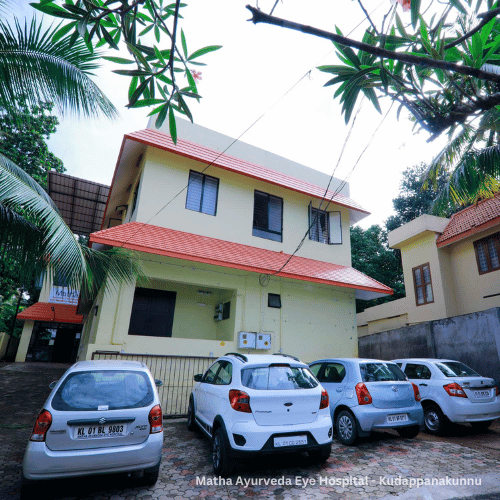
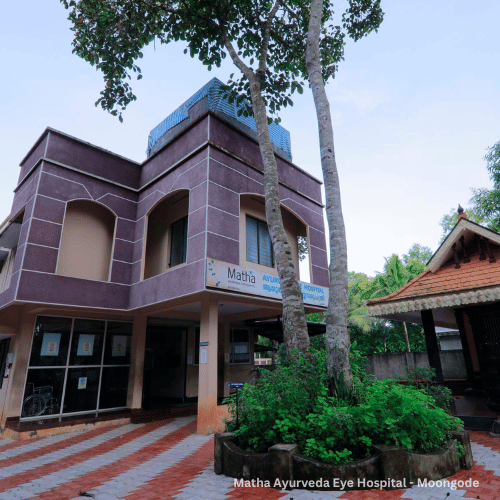
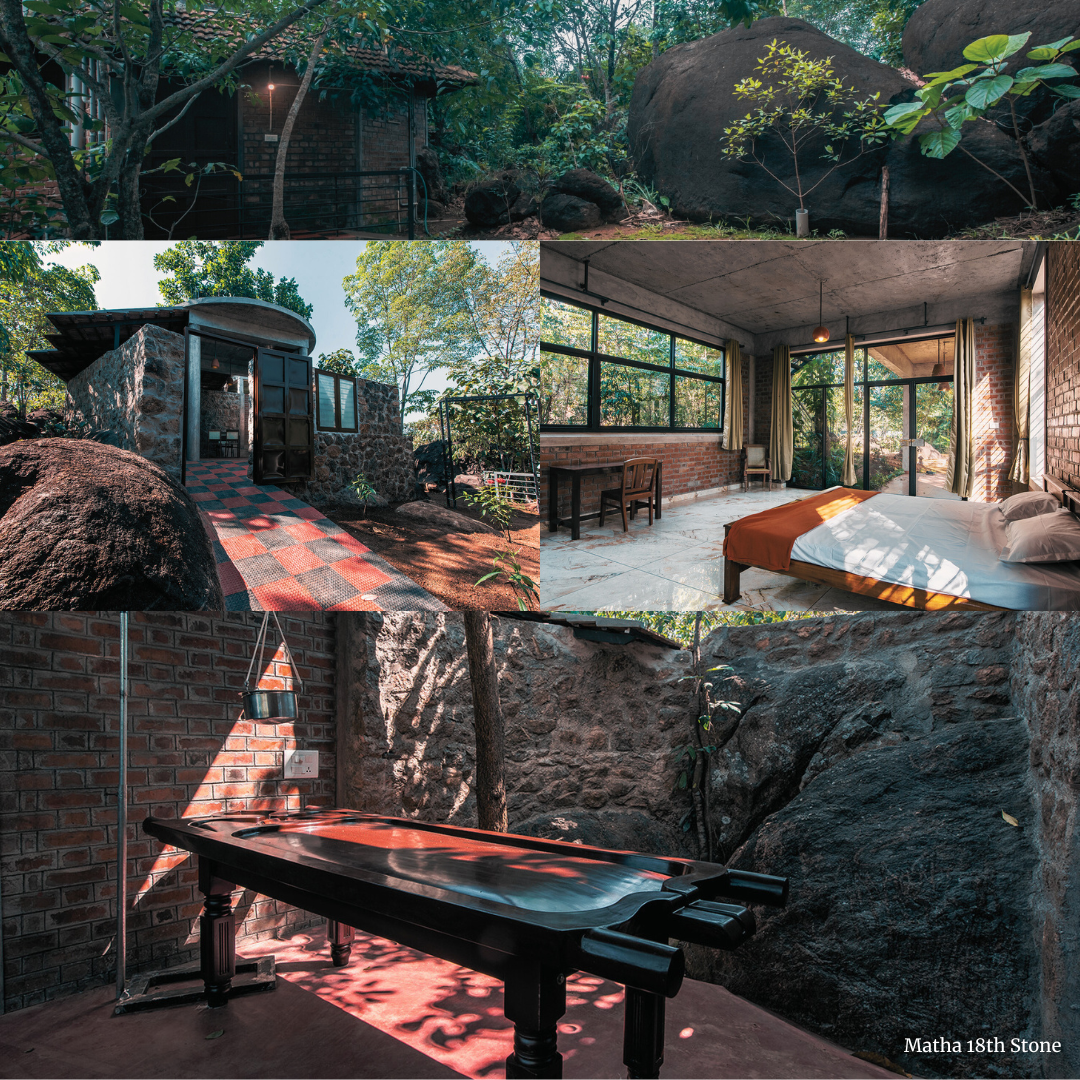
Our Hospitals
Matha Ayurveda Eye Hospital & Panchakarma Centre
Near Civil Station, Jayaprakash Ln, Kudappanakunnu, Thiruvananthapuram, Kerala 695043
Reception: 04712731352
Matha Ayurveda Eye Hospital & Panchakarma Centre
Eye Hospital Road (Moongode - Meppukada Road), Moongode P O Near, Thachottukavu, Kerala 695573
Reception: 9562997799
Contact
OP Timings
9.00 am - 5.00 pm
Appointment only
Important Links